
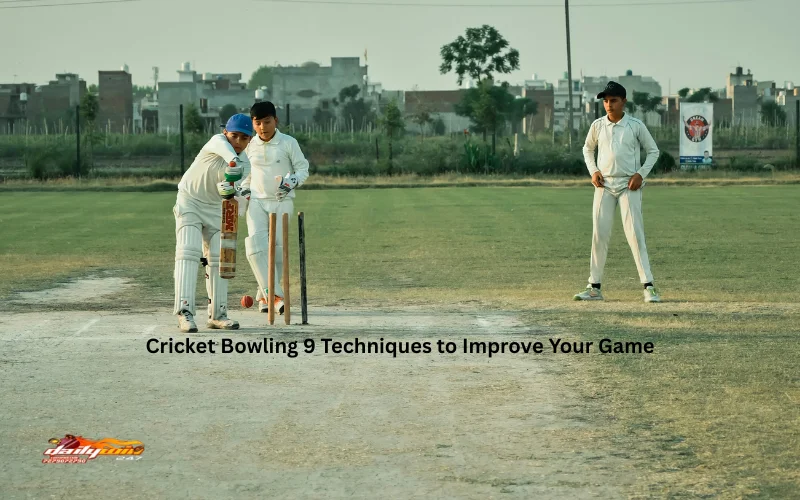
Cricket bowling is one of the most important aspects of the sport, demanding skill, precision, and strategy. A good bowler can change the direction of a match by taking key wickets or dailywin restricting the opponent’s runs. Whether you are a beginner or an experienced player, mastering the art of cricket bowling can elevate your game to the next level. In this guide, you will discover nine effective techniques that can help you improve your bowling accuracy, speed, and consistency.
1. Perfect Your Grip on the Ball
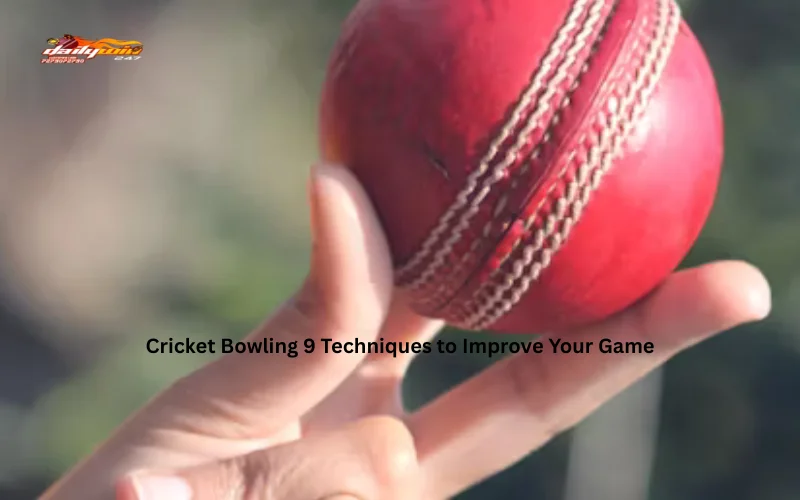
The foundation of successful cricket bowling starts with the correct grip. Your grip influences the movement, spin, and control of the ball. For fast bowlers, the seam should be held vertically between the index and middle fingers, with the thumb resting lightly on the seam below. This helps generate seam movement and maintain stability during release.
For spin bowlers, the grip changes depending on the type of spin. Leg spinners use their wrist to flick the ball, while off spinners rely more on finger movement. Practicing different grips allows bowlers to experiment with swing, seam, and spin variations, making their deliveries more unpredictable and challenging for batsmen.
2. Focus on Your Run-Up
A smooth and balanced run-up is crucial in cricket bowling. It helps you build rhythm, generate momentum, and maintain balance before delivering the ball. Fast bowlers generally have a longer and more powerful run-up, while spinners use a shorter, controlled approach.
To improve your run-up, focus on consistency. Each time you bowl, your steps should be the same length and rhythm. Avoid rushing or slowing down suddenly, as this can affect your delivery. A proper run-up allows you to maintain accuracy and bowl at your desired pace without losing control.
3. Master the Bowling Action
Your bowling action plays a key role in your effectiveness. It combines your grip, run-up, and release into one fluid motion. A legal bowling action must have a straight arm when delivering the ball. Focus on maintaining balance throughout your action to prevent injuries and ensure accuracy.
Fast bowlers should work on their shoulder rotation and follow-through to generate speed, while spinners need to concentrate on wrist and finger movement. Recording your bowling action and reviewing it can help identify areas that need improvement. With consistent practice, your body will develop muscle memory, leading to smoother and more accurate deliveries.
4. Learn to Control Line and Length
Controlling line and length is one of the most important skills in cricket bowling. The line refers to the direction of the ball, while the length determines where it pitches on the field. A good bowler can vary both to confuse the batsman.
The ideal line is usually just outside the off-stump, encouraging the batsman to play and increasing the chance of an edge. The length can vary depending on the pitch and conditions. On bouncier pitches, shorter deliveries are effective, while on slower pitches, fuller deliveries work better. Practicing target-based drills, such as aiming at specific areas on the pitch, helps you improve control over line and length.
5. Use Seam and Swing Effectively
Seam and swing are powerful tools in cricket bowling that can deceive even the best batsmen. Seam movement occurs when the ball lands on its seam and deviates off the surface. Swing happens when the ball moves in the air due to differences in air pressure on either side.
To achieve swing, fast bowlers should focus on maintaining a shiny side and a rough side on the ball. Holding the seam slightly angled and releasing the ball smoothly helps create movement in the air. Seam bowling, on the other hand, requires precision in releasing the ball with the seam upright. Mastering these techniques takes time, but they can greatly increase your chances of taking wickets.
6. Add Variations to Your Bowling
A successful bowler in modern cricket knows the importance of variety. Repeating the same delivery makes it easy for batsmen to predict your next move. By adding variations, you can break their rhythm and create opportunities for wickets.
Fast bowlers can experiment with slower balls, yorkers, and bouncers, while spinners can use different types of turns such as topspin, sidespin, or googly. The key is to disguise these variations effectively so the batsman cannot anticipate them. Practicing each variation regularly helps maintain accuracy and control.
7. Build Strength and Fitness
Cricket bowling requires a combination of strength, endurance, and flexibility. A fit body helps maintain consistent performance throughout the game and reduces the risk of injury. Fast bowlers especially need strong legs, shoulders, and core muscles to generate speed and maintain stability during their run-up and delivery.
Include exercises like squats, lunges, push-ups, and core workouts in your training routine. Stretching and mobility exercises also help prevent muscle strain. Spinners can benefit from wrist and finger strengthening exercises to improve grip and control. Regular fitness training ensures that you can bowl longer spells without losing energy or precision.
8. Understand Pitch and Weather Conditions
A smart bowler adapts their bowling style according to pitch and weather conditions. The pitch surface, moisture level, and wind direction all influence how the ball behaves. On dry pitches, spin bowlers often get more turn, while fast bowlers benefit from grassy or bouncy pitches.
Similarly, overcast weather conditions tend to favor swing bowling because the humidity helps the ball move more in the air. Learning to read these conditions and adjusting your line, length, and speed accordingly gives you a significant advantage over the batsman. Experienced bowlers always observe the environment before each delivery to plan their next move effectively.
9. Develop Mental Toughness and Strategy
Cricket bowling is not just about physical skill; it also requires mental strength and tactical thinking. Every bowler faces moments of pressure when batsmen are scoring quickly or when conditions are challenging. Developing patience and confidence helps you stay focused and deliver your best under pressure.
Learn to plan your overs strategically. Analyze the batsman’s weaknesses and set up deliveries to trap them. For instance, you can bowl a few outswingers followed by an inswinger to surprise the batsman. Communication with your captain and fielders also plays a key role in executing your plans effectively cricket bowling. The best bowlers think one step ahead and use their mental awareness to dominate the game.
Importance of Continuous Practice
Improving in cricket bowling is a gradual process that requires dedication and consistent practice. Regular net sessions help refine your technique and build muscle memory cricket bowling. Working with a coach or mentor can also provide valuable feedback to correct mistakes and develop new skills. Recording your sessions and analyzing them later can help track your progress and identify areas for improvement.
Practicing under different conditions, such as wet pitches or windy weather, prepares you for any situation during a match. The more you practice, the more confident and effective you become on the field.
Conclusion
Cricket bowling is a blend of technique, power, and intelligence. By mastering these nine techniques—perfecting your grip, improving your run-up, refining your action, controlling line and length, using seam and swing, adding variations, building fitness, reading conditions, and strengthening mental toughness—you can significantly enhance your performance.
Every bowler, from beginners to professionals, can benefit from focusing on these fundamentals. With consistent effort and smart practice, you can take your cricket bowling skills to a higher level and become a more reliable and successful player on the field.